Mastering Abstract Floral One Line Art: A Practical Guide for Creators and Buyers
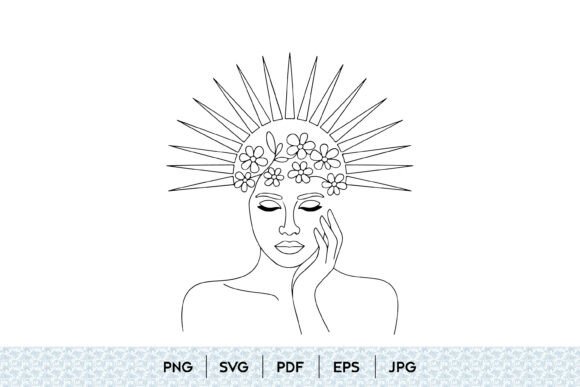
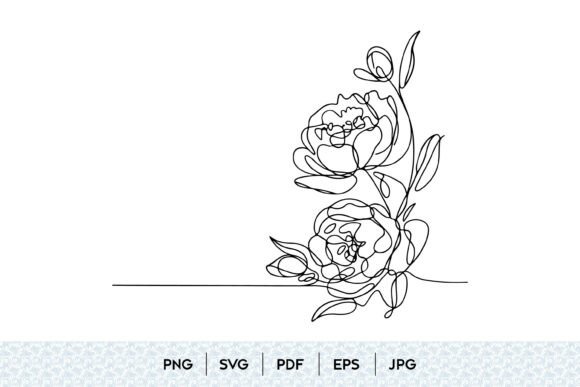
The allure of Abstract Floral One Line Art lies in its deceptive simplicity. At first glance, a continuous line flower seems effortless—a single, unbroken stroke that captures the essence of a bloom without the clutter of shading or complex detail. However, whether you are a graphic designer creating branding assets, a small business owner printing wedding invitations, or a hobbyist looking for chic wall decor art, understanding the technical nuances behind these minimalist floral drawings is crucial. Many users rush into downloading or creating these files without considering scalability, file integrity, or intended use, leading to frustrating results.
This guide addresses the common pitfalls associated with selecting and using continuous line botanical designs. By focusing on practical corrections and smarter choices, you can ensure that your minimalist floral drawing projects look professional and function correctly across all mediums.
Misunderstanding File Formats and Scalability
One of the most frequent mistakes beginners make is assuming all digital images are created equal. You might find a beautiful abstract blossom svg online, but if you only download the JPG version, you limit your creative potential significantly. Raster formats like JPG and PNG are made of pixels. When you enlarge a jpg flower artwork for a large print or a banner, it becomes pixelated and blurry. This is disastrous for professional presentations or high-quality floral wall art printable products.
In contrast, vector formats such as SVG, EPS, and PDF are mathematically defined. They allow you to scale a luxury botanical svg from the size of a business card to a billboard without losing any clarity. If you are using cutting machines like Cricut or Silhouette Cameo, vector files are non-negotiable. A cricut floral svg must have clean paths; otherwise, the machine will struggle to cut intricate details. Always prioritize vector downloads when available. If a seller only offers raster images, question whether the design is truly suitable for versatile commercial use.
Overlooking Path Complexity in Cutting Projects
For crafters and entrepreneurs using die-cutting machines, not all one line flower art is optimized for cutting. A design might look stunning on screen as a black and white floral illustration, but if the lines are too thin or the nodes are too dense, the blade may tear the paper or vinyl. This is especially true for delicate floral illustrations where the "single line" is actually composed of hundreds of tiny anchor points.
Before committing to a purchase or a long printing run, inspect the eps botanical illustration or SVG file in your design software. Simplify paths where possible. A simple line flower should have smooth curves. If you notice jagged edges in the preview, the file quality is poor. Better yet, choose designs specifically labeled as "cut-ready" or test a small sample first. This saves material costs and prevents wasted time troubleshooting machine errors.
Igno ring Contextual Harmony in Design
A common aesthetic error is forcing a modern feminine svg into a context where it clashes. While boho floral svg styles are trendy, they do not fit every brand identity. For instance, a corporate law firm’s brochure might benefit from a clean line floral art approach, whereas a children’s party invitation might require something more playful and less abstract. Using a romantic flower line art piece in a stark, industrial tech presentation can create visual dissonance.
To avoid this, consider the emotional tone of the artistic flower drawing. Is it elegant and reserved, or wild and organic? Match the contemporary botanical svg to your audience’s expectations. If you are designing feminine floral decor for a boutique, ensure the elegant bloom drawing complements the existing color palette and typography. Do not let the art dominate the message; let it enhance it.
Neglecting Licensing and Commercial Rights
Many creators assume that downloading a pdf floral printable from a free resource site grants them full commercial rights. This is a dangerous misconception. Some artists offer aesthetic flower printable files for personal use only. Using these for products you sell, such as mugs, t-shirts, or digital planners, can lead to copyright strikes and legal issues.
Always read the license agreement. Look for terms like "Commercial Use Allowed" or "Extended License." If you are building a brand around modern botanical artwork, investing in properly licensed stylish flower illustration packs is worth the cost. It protects your business and supports the artists who create these nature inspired artwork pieces. Keep records of your purchases and licenses for future reference.
Poor Preparation for Print Production
Even with the correct vector file, print failures occur due to improper setup. A minimalist bloom design often relies on very fine lines. If these lines are too thin (e.g., less than 0.5 pt), they may not print clearly on certain papers or may disappear entirely in low-resolution digital displays. Conversely, if the lines are too thick, the abstract botanical design loses its delicate charm and looks bulky.
Before finalizing your floral arrangement illustration for print, do a test print on the actual stock you intend to use. Check how the delicate flower printable appears under different lighting conditions. Ensure that black lines are set to 100% K (black) rather than rich black (a mix of CMYK), which can cause registration issues and blurry edges in small text or fine lines. This attention to detail distinguishes amateur work from professional chic wall decor art.
Choosing Quantity Over Quality
In the rush to populate a website or social media feed, some marketers grab dozens of generic trendy minimalist svg files. The result is a disjointed visual identity. A cohesive brand uses a consistent style of hand drawn flower art. Mixing hyper-realistic botanicals with simple botanical artwork and cartoonish flowers confuses the viewer.
Curate your collection carefully. Select a few high-quality artistic botanical printable resources that share similar line weights, curvature styles, and levels of abstraction. It is better to have five perfect continuous line botanical images that align with your brand than fifty mismatched ones. Consistency builds recognition and trust with your audience.
By avoiding these common pitfalls, you elevate the impact of your projects. Whether you are crafting a floral tattoo style design for a client or creating decorative floral design elements for a website, thoughtful selection and technical precision ensure that your Abstract Floral One Line Art delivers both beauty and functionality. Take the time to verify file types, respect licensing, and harmonize your designs. The result will be polished, professional, and visually compelling work that stands out in a crowded digital landscape.