Mastering Tulip Bouquet Botanical Line Art for Creative Projects
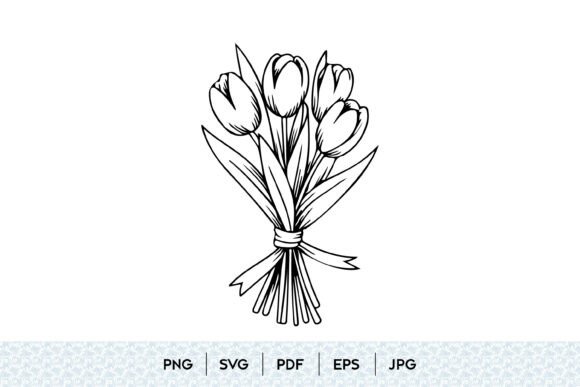
In the world of digital design and print media, finding the perfect visual element can often feel like searching for a needle in a haystack. Designers, crafters, and hobbyists frequently struggle with assets that are either too complex, low resolution, or restricted by rigid licensing. This is where Tulip Bouquet Botanical Line Art emerges as an indispensable resource. Unlike standard photographs or overly detailed paintings, line art offers a clean, versatile aesthetic that bridges the gap between modern minimalism and classic botanical elegance. Whether you are designing wedding invitations, creating custom home decor, or developing educational materials, this specific style of illustration provides a foundation for high-quality, professional results.
Understanding the Value of Minimalist Floral Design
The appeal of tulip flowers lies in their distinct shape and cultural significance as harbingers of spring. However, translating that natural beauty into a usable digital asset requires precision. A typical floral bouquet photograph may contain distracting backgrounds, inconsistent lighting, or colors that clash with your brand palette. In contrast, botanical illustration rendered in line art strips away the noise, leaving only the essential contours and structure of the tulip arrangement. This clarity makes it easier to integrate into various design layouts without overwhelming the viewer.
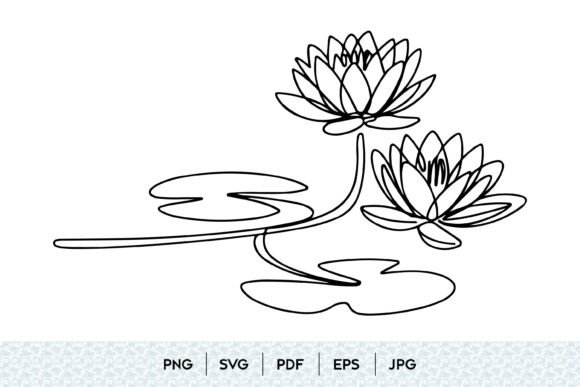
When you utilize Tulip Bouquet Botanical Line Art, you are not just getting a picture; you are acquiring a flexible design tool. The monochrome nature of black and white outlines allows for infinite customization. You can scale them up for large-format prints without losing quality, recolor them to match specific themes, or use them as templates for further artistic exploration. This adaptability addresses a common pain point for creators: the need for assets that work across multiple mediums without requiring extensive editing time.
Practical Applications for Diverse Creators
Different users approach floral graphics with unique goals, yet the utility of this line art remains consistent across disciplines. For graphic designers working on wedding decor or Mothers Day flowers campaigns, the elegant simplicity of a flower outline conveys sophistication and romance without appearing cluttered. These designs serve perfectly as watermarks, border elements, or central focal points on invitation cards. The clean lines ensure that text remains legible, a critical factor in event stationery.
For educators and parents, these illustrations offer excellent resources for interactive learning. A coloring page derived from a botanical drawing encourages creativity and fine motor skill development in children. Because the lines are crisp and well-defined, they provide clear boundaries for coloring while allowing room for personal interpretation. Similarly, hobbyists interested in flower tattoo designs often seek out high-contrast hand drawn flowers that can be easily traced or adapted by tattoo artists. The vector formats included in such packages ensure that the design remains sharp regardless of the size required for the body art.
Technical Advantages of Multi-Format Files
One of the most significant challenges in digital asset management is file compatibility. A beautiful image is useless if it cannot be opened or edited in your preferred software. A comprehensive Tulip Bouquet Botanical Line Art package typically includes a variety of formats to mitigate this issue. Receiving a zip file containing PNG 300 ppi, JPG, EPS, SVG, and PDF files ensures that you are prepared for any project requirement.
- PNG (300 ppi): Ideal for web use and digital presentations where transparency is needed. The high resolution ensures clarity on retina displays.
- JPG: Perfect for quick previews, social media posts, or documents where file size is a concern.
- EPS and SVG: These vector formats are crucial for professional printing and scaling. They allow you to resize the elegant bouquet from a business card to a billboard without any pixelation or loss of detail.
- PDF: Excellent for direct printing, especially for printable home decor items or instructional guides.
Having access to both raster (PNG, JPG) and vector (EPS, SVG) formats means you do not need to convert files yourself, saving valuable time and preventing quality degradation during conversion processes.
Enhancing Brand Identity and Personal Projects
Businesses in the wellness, beauty, and lifestyle sectors often seek imagery that reflects natural beauty and tranquility. A decorative bouquet rendered in fine lines can become a signature element of a brand’s visual identity. It suggests attention to detail and an appreciation for organic forms. When used consistently across packaging, websites, and marketing materials, this botanical artwork helps build a cohesive and recognizable brand presence.
For individual creators, the possibilities are equally vast. Imagine creating custom floral clipart for scrapbooking projects or designing personalized gifts. The spring bloom theme resonates with feelings of renewal and hope, making it suitable for greeting cards, journal covers, and wall art. By using cut flowers imagery that is already stylized, you bypass the need for advanced drawing skills while still achieving a hand-crafted look.
Implementation Tips for Best Results
To get the most out of your Tulip Bouquet Botanical Line Art, consider the context in which it will be viewed. For digital screens, ensure you are using the PNG or SVG files to maintain crisp edges. If you are printing on textured paper, such as for wedding invitations, the EPS or PDF formats will provide the sharpest output. Experiment with layering the flower arrangement over subtle backgrounds or combining it with typography to create dynamic compositions.
Additionally, think about the emotional tone you wish to convey. While black and white is classic, adding a single accent color to the tulip petals can draw attention and add a modern twist. This technique works particularly well for romantic gift tags or seasonal promotions. Remember that the strength of line art lies in its simplicity; avoid overcrowding the design with too many additional elements. Let the garden tulips speak for themselves through their graceful curves and balanced composition.
Conclusion
Incorporating Tulip Bouquet Botanical Line Art into your creative workflow offers a blend of aesthetic appeal and practical functionality. It solves common design challenges related to versatility, scalability, and stylistic consistency. Whether you are a professional designer seeking efficient tools for client projects or a hobbyist looking to add a touch of elegance to personal creations, these assets provide a reliable foundation. By leveraging the diverse file formats and the timeless beauty of botanical print styles, you can elevate your work and connect with your audience through the universal language of nature-inspired art.